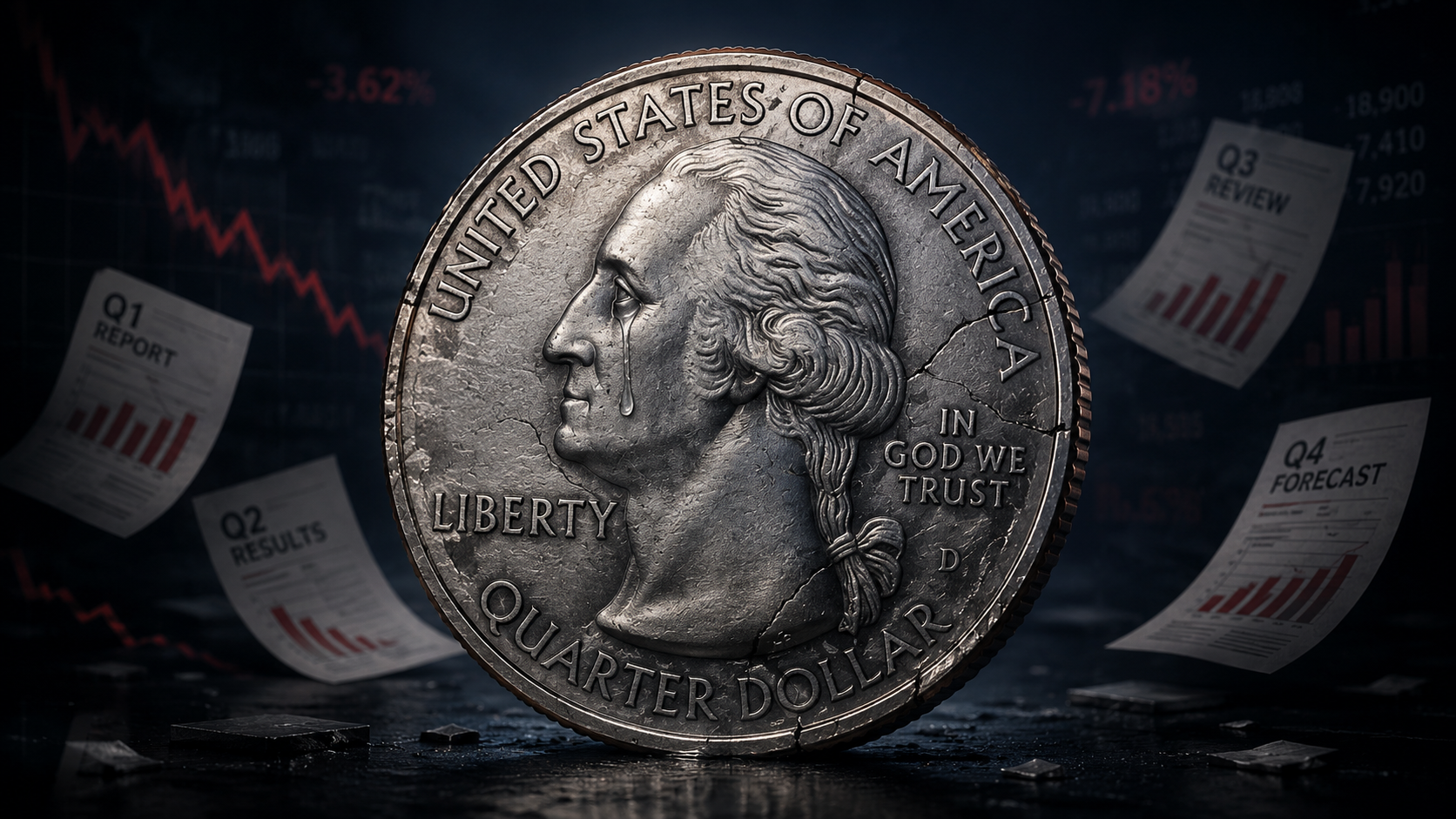
The goal was never to be different. It was to be remembered. Most brands get this backward. They pour energy into standing out, into a sharper angle or a bolder claim or a reinvention every season, and end up forgettable anyway. The brands that win are often not the most original ones. They are the ones you can pull up from memory in the half-second it takes to make a choice.
Here is how forgettable most brands are. Havas has surveyed hundreds of thousands of people about this for over a decade, and in its latest study, people said 78% of brands could disappear tomorrow and they would not care, or would just pick something else. Most brands are not disliked. They are simply not thought of. And a brand that does not come to mind does not get bought.
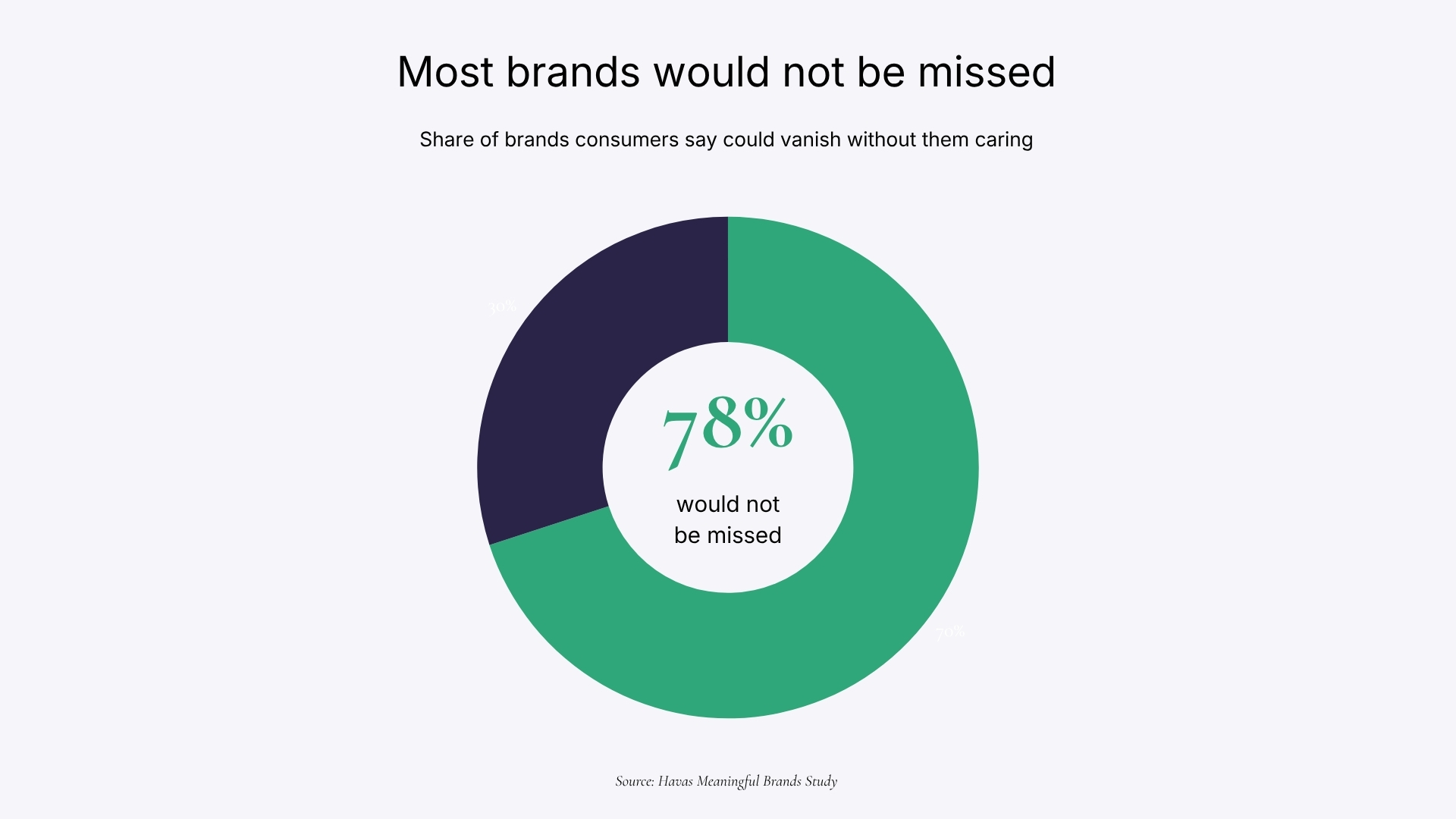 Most brands are replaceable in the consumer's mind. Source: Havas Meaningful Brands study.
Different is not the same as memorable
Being different and being recognizable are two separate jobs, and most companies chase the wrong one. The Ehrenberg-Bass Institute, whose work underpins much of modern brand science, draws a hard line between them. Differentiation is about meaning: the sense that you stand for something your rivals do not. Distinctiveness is about memory: whether a buyer can recognize you instantly and attach that impression to the right name. Byron Sharp, who wrote How Brands Grow, put the uncomfortable version plainly, telling marketers to throw the unique selling proposition out the door, because customers mostly do not care how different you are. They care whether they can find you.
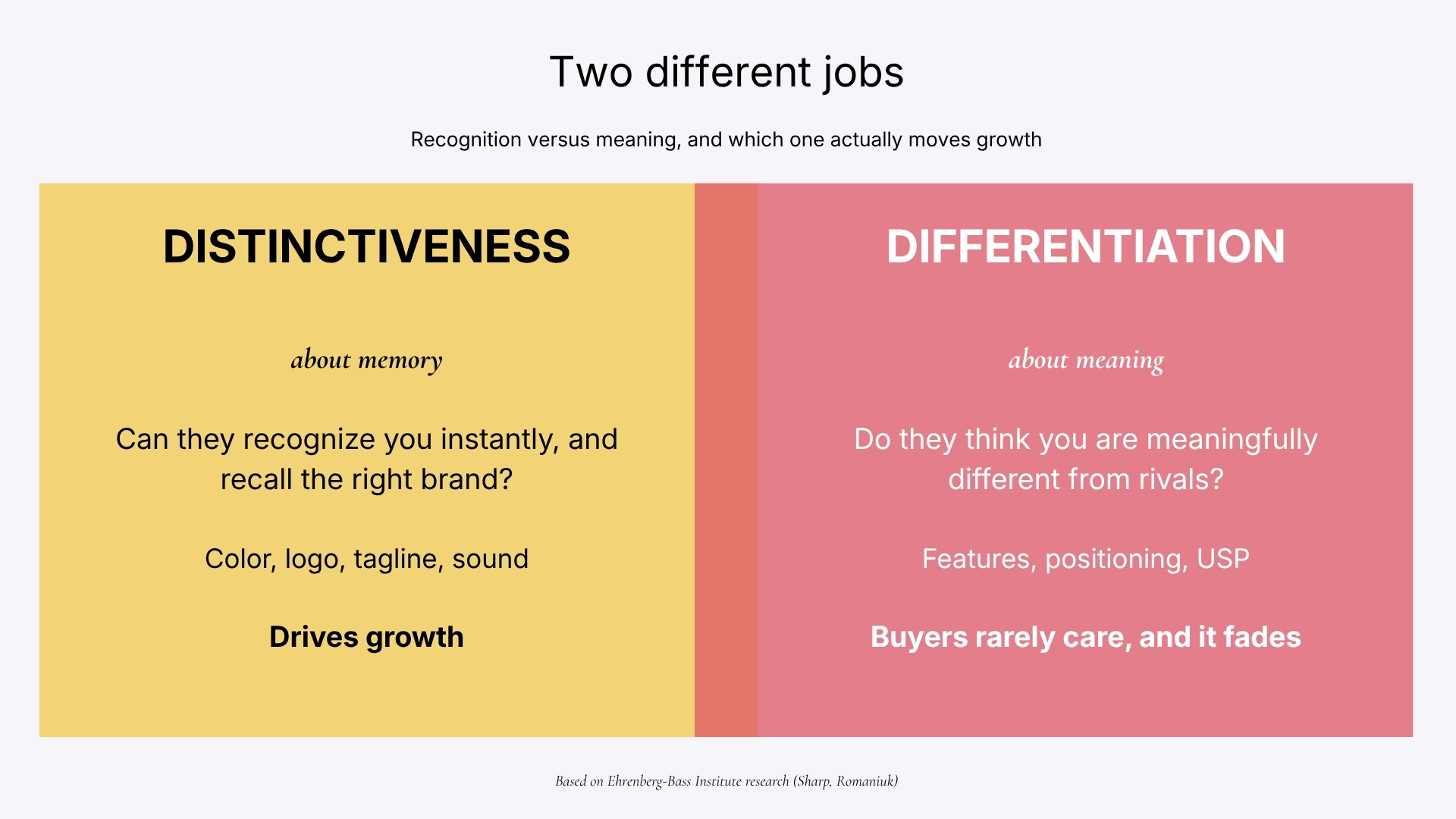 Recognition and meaning are different jobs. Recognition is the one that reliably moves growth. Based on Ehrenberg-Bass Institute research.
Recognition is built by repetition, not reinvention
You become recognizable by showing up the same way, over and over, long enough for it to stick. This is where distinctive brand assets come in: the color, the logo, the tagline, the sound a buyer can identify without even seeing your name. They work as memory shortcuts, and they only work if you keep them still. Every rebrand, every trend you chase, every impulse to freshen it up resets the clock and asks people to learn you again. One widely cited industry survey found that companies presenting their brand consistently reported revenue gains of around 23%. That figure is self-reported, so treat it as directional. But the direction matches everything else here. Consistency builds up. Reinvention makes people start over.
This is why chasing trends quietly costs you
Every trend you jump on trades a little of your recognizability for a moment of relevance. We wrote before about how chasing virality dilutes a message. Chasing trends does the same thing to your brand's memory. When your look and your voice change with every cycle, you never give any single version time to lodge in anyone's head. You stay busy and stay invisible. The brands that compound pick a set of assets they can live with for years, then have the discipline to be boring about them while competitors burn themselves out reinventing.
What to do with this
Pick the handful of things that will never change, and change everything else around them. Choose two or three assets and commit to them past the point where you are sick of them, because that is roughly the point your audience is starting to remember them. Let novelty live in your campaigns and your content, the surface layer, and keep the core still. Different can be the hook that gets attention. Recognizable is what turns that attention into a brand.
"Stand out" is advice that sounds right and quietly works against you. The brands people actually reach for are rarely the ones trying hardest to be unlike everyone else. They are the ones that showed up the same way for long enough to become the first name that comes to mind.